
Katrien Steenmans
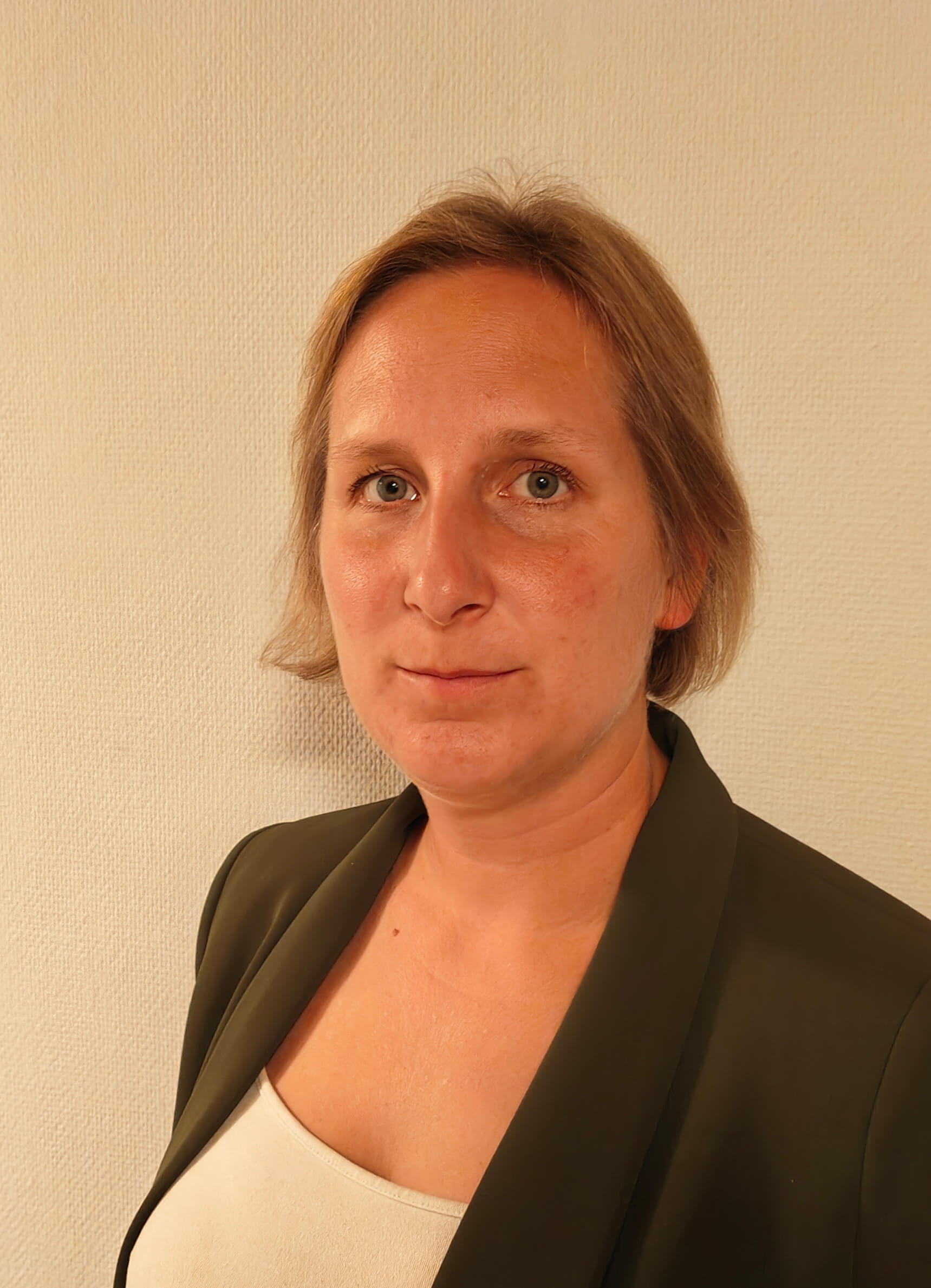
Postdoc
Centre for Private Governance, The Faculty of Law, University of Copenhagen
Field of research: circular economy, waste law, extended producer responsibility, circular public procurement, circular product
Contact: katrien.steenmans@jur.ku.dk
What do you research?
My main research area is waste law with a particular focus on the circular economy. This concept concerns shifting away from traditional take-make-discard approaches to resource use and product consumption towards systems in which resource use and waste generation are minimised, and only where this is unavoidable are resources and wastes reused, recycled, and recovered. I explore different tools and measures to facilitate circular economies, primarily within the EU environmental law context. I have previously investigated, for example, extended producer responsibility, property rights, and blockchain technology, and am currently examining circular public procurement and product labels.
Why is it so important?
The current unsustainable amounts of waste produced require urgent action. Waste is a huge ‘waste’ of resources at a time when issues such as resource security and scarcity are critical, as well as waste management operations contributing significantly to climate change and adversely impacting human health (together with numerous other challenges). The circular economy concept provides an opportunity to promote systemic change by challenging our consumption patterns and aims to achieve sustainable development. The question is: how do we transition to a circular economy? My research aims to contribute to understanding and developing the critical role law and policy has and can have.
A project you are proud of?
I am particularly proud of my co-authored book on ‘Circular Economy and the Law: Bringing Justice into the Frame’. This book is the first focused on the legal landscape of the circular economy, mapping out current laws and policies and examining two case studies (forestry and plastic waste management). Critically, it highlights the social dimensions of the concept. Often when the circular economy is considered, the economic and environmental factors are at the forefront, whereas social aspects are sidelined. Yet, it is these that can help ensure the concept does not merely underpin the status quo but effects more transformational change.
Updated December 2025
Through her participation in Policy Fellowship 2025-2026, Katrien is working with Iben Kinch Sohn, team leader for circular economy at Danish Industry.